

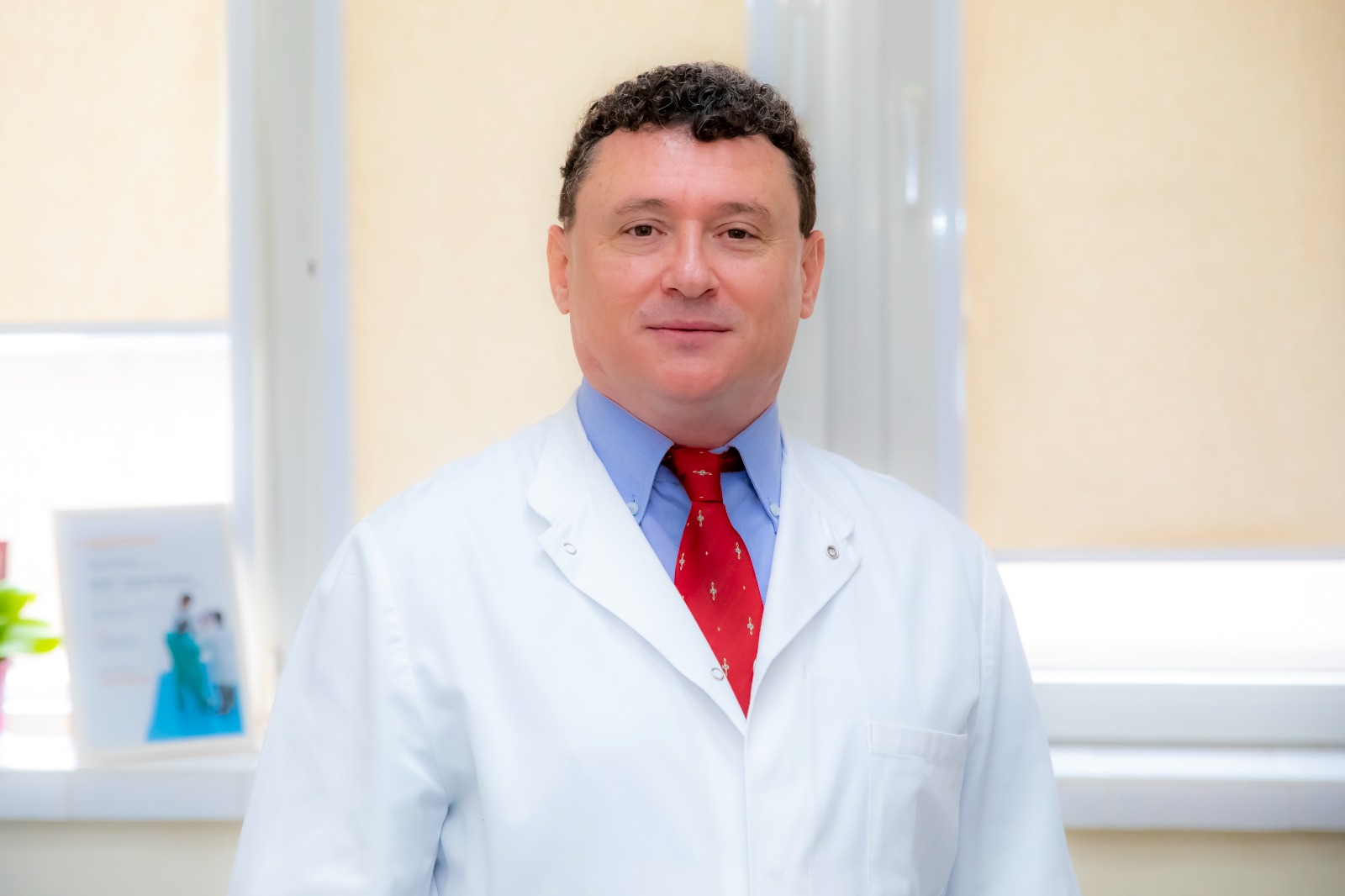
An original enLife News interview, together with Prof. Dr. Marius Stanescu, Head of Orthopedics – Traumatology Department at the Dr. Carol Davila Central Military Emergency University Hospital, Bucharest.
About Career and Personal Achievements
Enlife News: Mr. Doctor Marius Stanescu, can you tell us about your professional path and what motivated you to choose the specialization in orthopedics and traumatology?
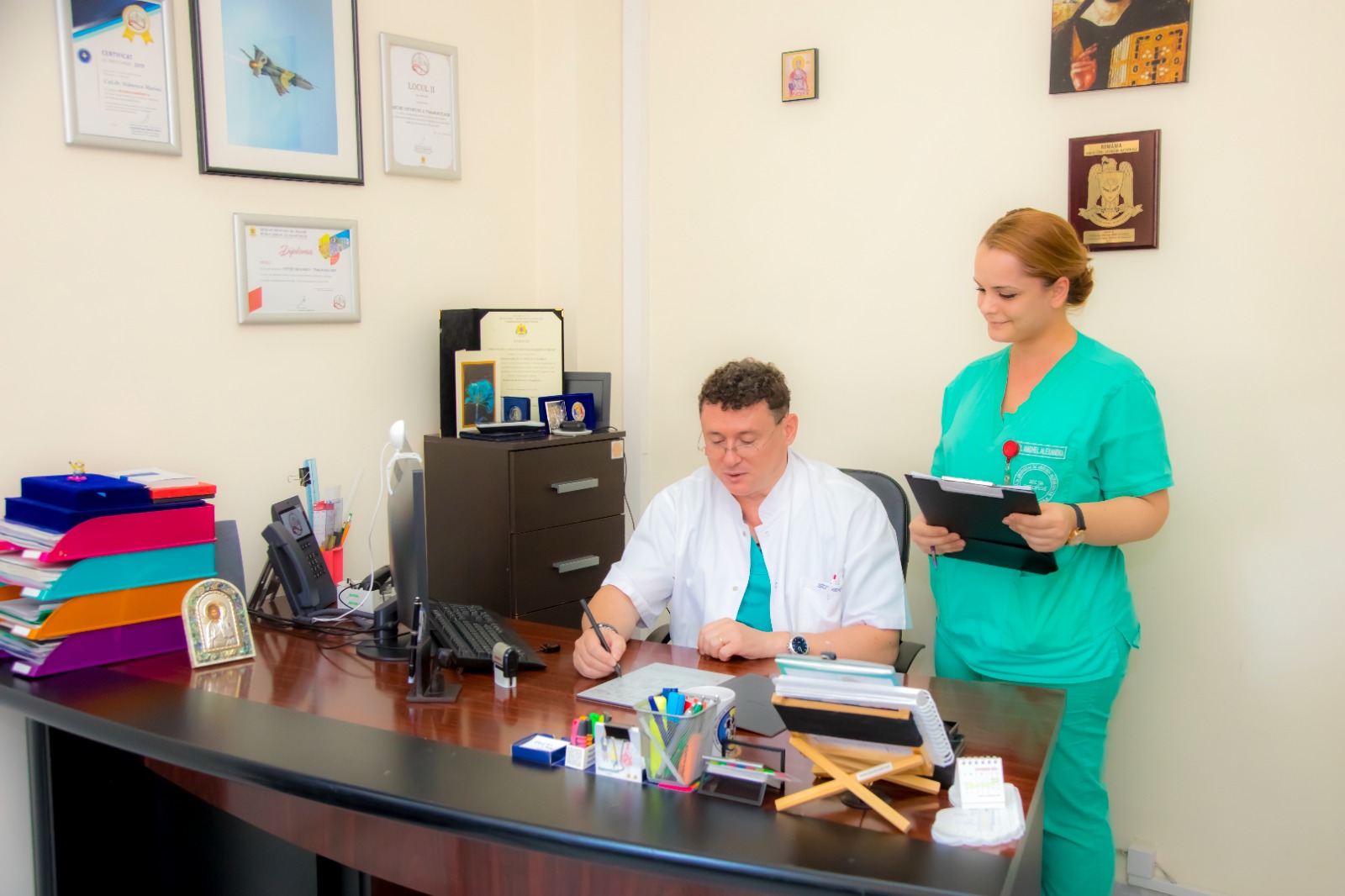
Conf. Dr. Marius Stanescu: I like to think that I chose this job, but every day I tend to think that the job chooses us. Being modeled by an “old-fashioned” grandfather teacher, according to three customs “calligraphy – study – discipline”, I think I got the profile of rigor intertwined with the openness to newness confirmed by the results. That’s what a surgeon in any specialty does. I attended high school courses, the mathematics-physics profile at one of the most prestigious colleges in Teleorman county, namely at the “Atanasescu” National College in Rosiori de Vede, and thanks to my mentors, a teaching staff of high intellectual standing, medicine was the first and my only option.
In the summer practice of the last year of college, I had the revelation of the option of orthopedic and trauma surgery when, in the specialty clinic of the Colentina Clinical Hospital, I had the chance of a mentor from an anthology in Romanian medicine, Prof. Univ. Dr. Andrei Firica, with whom I stayed for 13 years. Another 16 years of dedication, effort, training, satisfaction and professional trials followed in the Orthopedics and Traumatology Clinic of the Central Military Emergency University Hospital “Dr. Carol Davila”, a second home for the soul and becoming, then for professional and human fulfillment.


Innovation and Technology
Enlife News: How has modern technology influenced treatments for conditions such as gonarthrosis or coxarthrosis in the department you lead? Similarly, how is innovation in Trauma applied in the ward and how does it help patients?
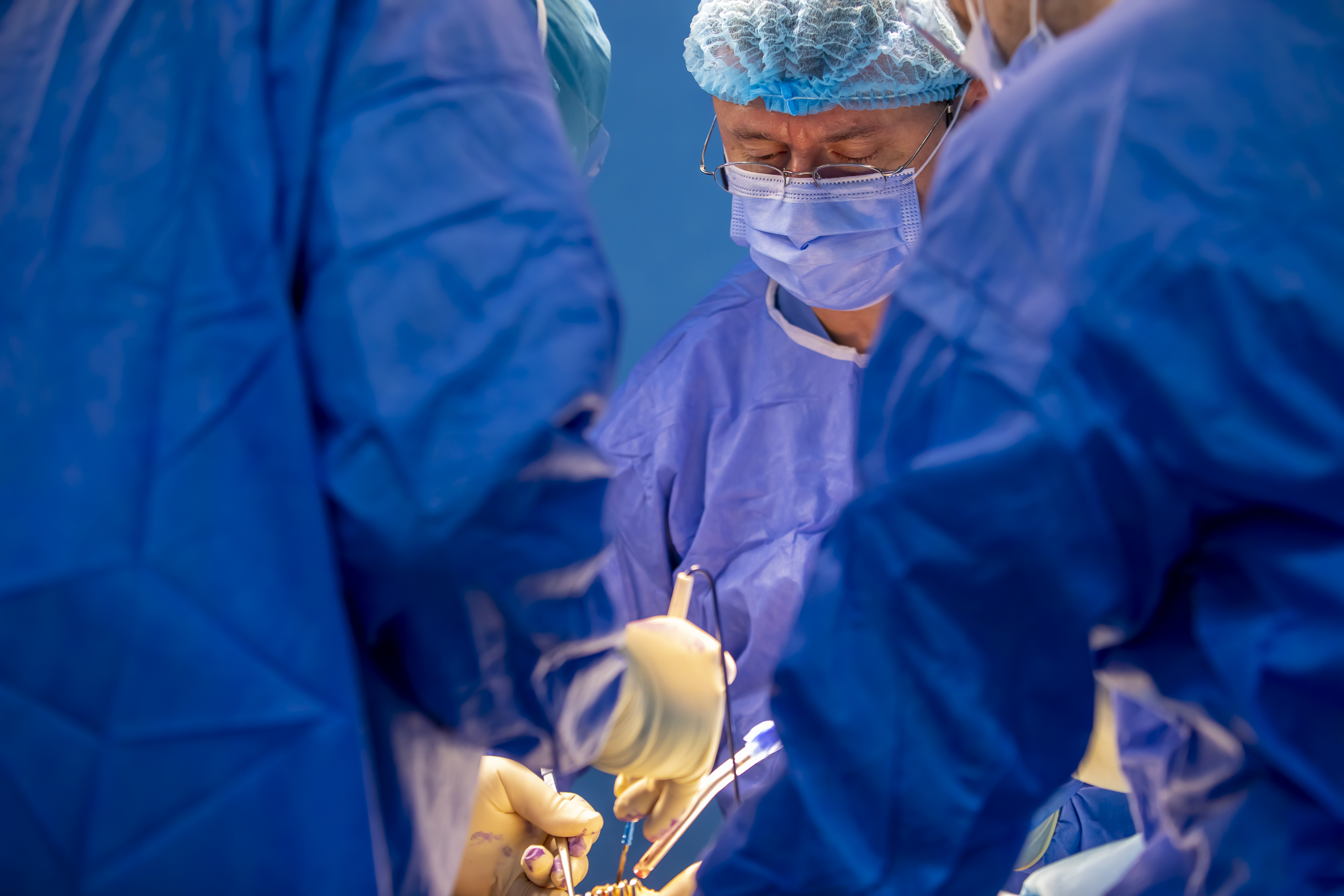
Conf. Dr. Marius Stanescu: In both orthopedic and trauma surgery, we find a sustained comparison with the logarithmic technological evolution of computer science. Thus, in orthopedics, in the period 1970-1990, a series of researches took place whose solutions found applicability in the treatment of degenerative diseases. Subsequently, the development of biomaterials marked an upward curve in the performance of prosthetic implants (of the hip or knee), which led to sustainable functional results. In this context, the 2000s created the conditions for broadening the range of diagnoses addressed (such as bone tumor), transforming orthopedics into a reconstructive surgical branch with a deeply functional character. Both in orthopedics and in traumatology – another branch deeply marked by technological evolution and biomaterials – techniques, procedures and treatment protocols have been standardized, making our specialty a top beneficiary of technology and informatics, and our patients, main beneficiaries of the professional skills of knowledge and operative technique of orthopedic doctors and traumatologists.
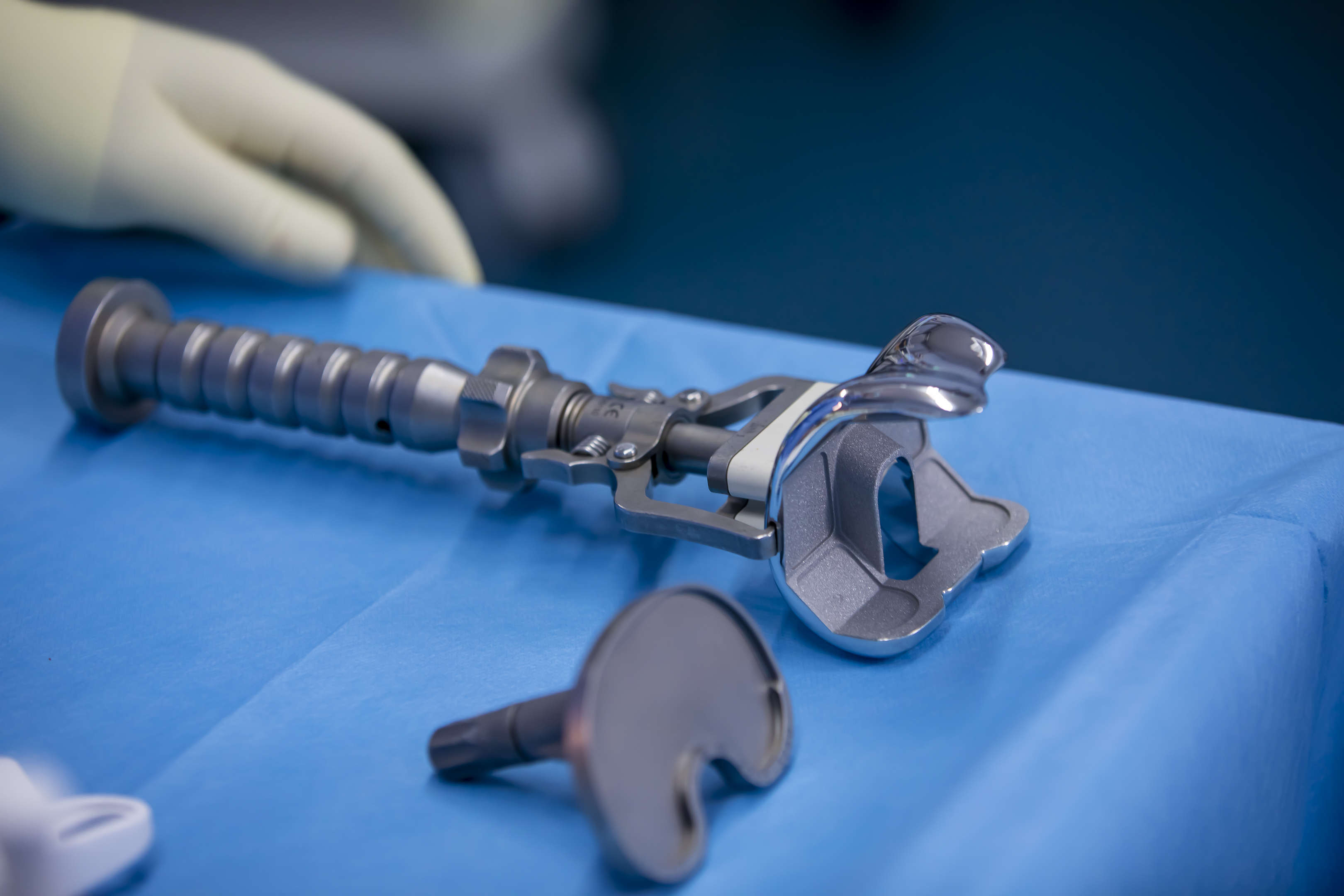


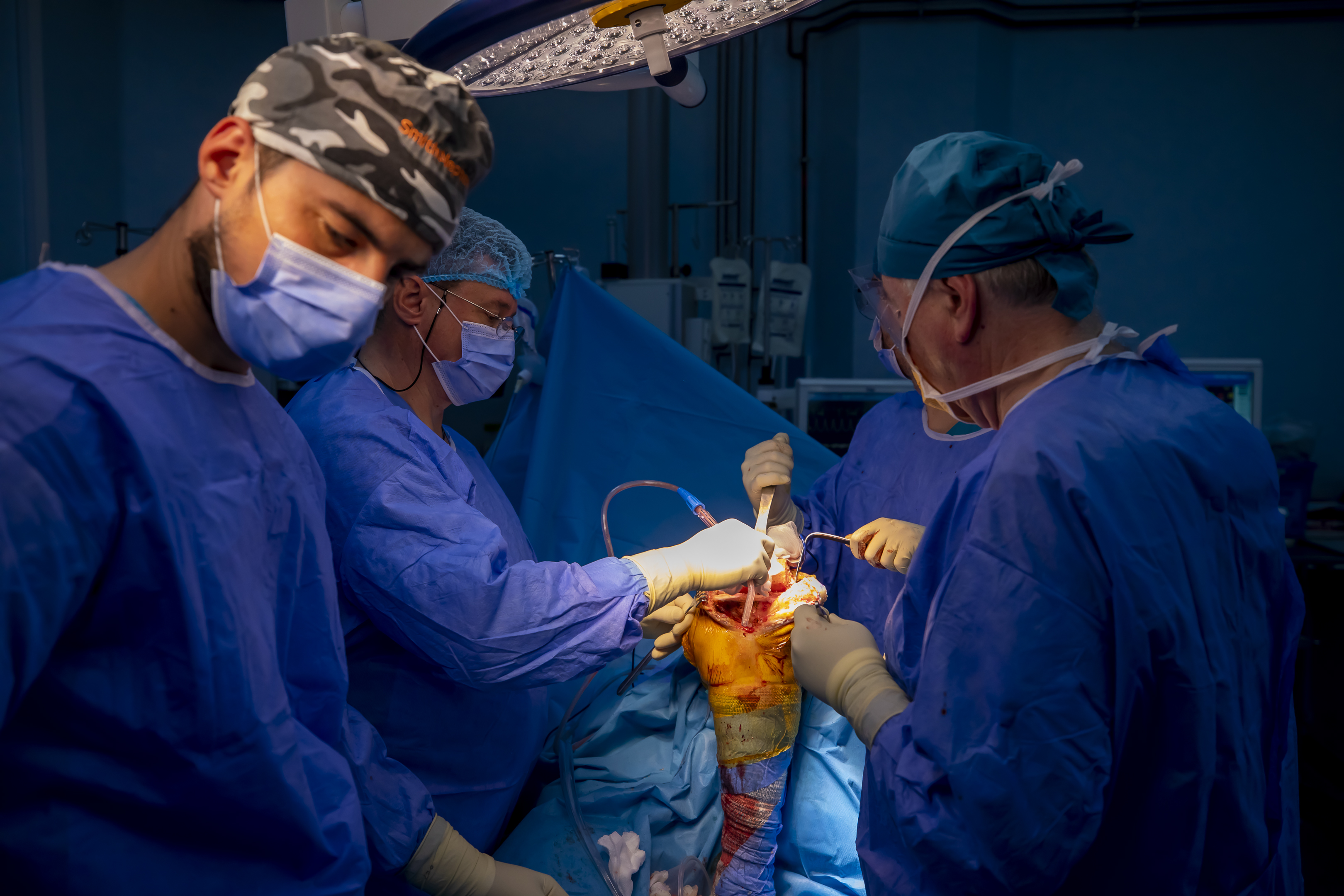
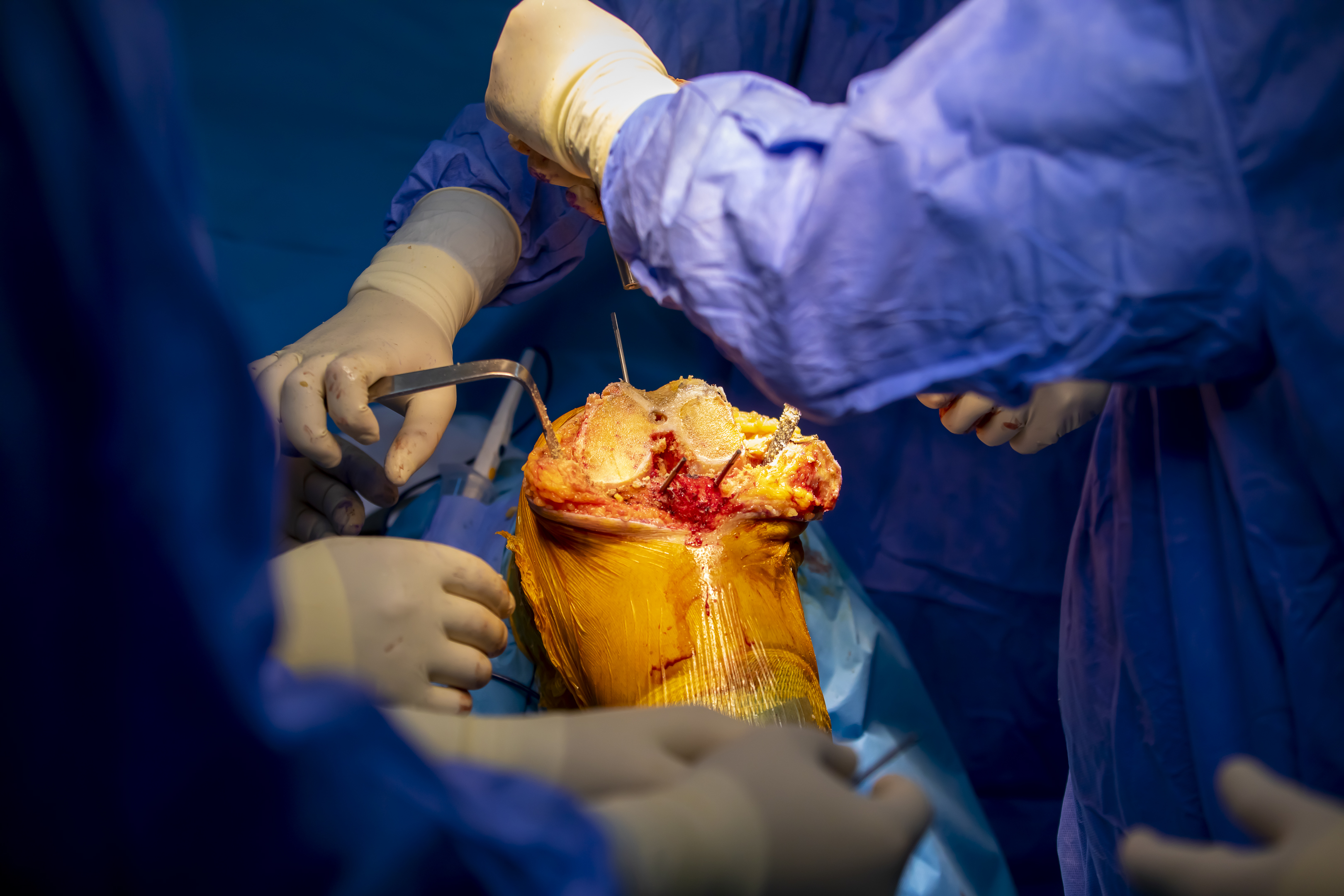
“Major” joint endoprosthetic surgery, minimally invasive/arthroscopic surgery, reconstructive surgery of tumoral or non-tumoral bone defects, osteoarticular trauma surgery of osteosynthesis and sports medicine (of bone trauma and joint instabilities) are just a short list of the superspecializations that have become a necessity in the professional training of doctors in our specialty. In the last 20 years, we have witnessed the “atomization” of specialties, especially interventional ones. Let’s think about what “general surgery” includes, generically, but also in fact; today we count more and more superspecializations/branches of that general surgery: bariatric, hepato-biliary, oncological surgery (with subdivisions). There is a need for study, training, improvement by niche specialties in fields that demand specificity and surgical skills (doubled by technical equipment and sanitary materials/implants) until we excel, each in the activity to which we have dedicated ourselves.
Education and the Didactic Role
Enlife News: How do you see your teaching role in training new generations of doctors and what are the main skills you try to pass on to students and residents?
Conf. Dr. Marius Stanescu: It is the 2nd aspect of our work in which I have sufficient reasons for optimism. We all know what (generically) “the 7 years at home” means. We can also extrapolate this expression in education and professional training. In medicine, we can say that most of the residents come to us with “the 6 years of college”, some very well prepared and motivated; they are enthusiastic, sometimes too enthusiastic, very open to new things, sometimes too open, so they would try to burn stages, and they are attracted by the “profitable/practical” aspect of the specialty. Our role begins by channeling their energies and modulating their evolution to form the doctors who will become the specialists who will treat our generation. Therefore, the objectives of their training will combine a good knowledge of anatomy, diagnostic and treatment protocols, training of surgical gestures, mastery of operative techniques, anticipating and solving unforeseen moments with calmness, rigor and effectiveness (obtaining the best result in the shortest time).
Another watchword is prevention – and we are not talking about the prevention of the risks of infections, which, by the way, are not “hospital” [nosocoma (gr) = hospital], but are much more correctly called I.A.A.M. (infections associated with the medical act). As evidence, studies are increasingly well documented that prove that, in an overwhelming proportion, infections are produced by the germs present in the habitat and microbiome of the patient diagnosed with I.A.A.M.. This aspect of our permanent concerns, sterility during maneuvers and surgery and pre-prevention and post-operative microbial, viral or fungal contamination are as important as the acquisition of technical and theoretical professional skills in orthopedics and traumatology.


Ward Administration and Challenges
Enlife News: As head of the Department of Orthopedics and Traumatology, what are the biggest administrative challenges you have faced and how have you addressed them? Do the National Program budgets cover the department’s needs? What are the National Programs that finance you?
Conf. Dr. Marius Stanescu: As early as 2017, I agreed to a department management contract and not a department “head”. My activity combines (with some effort, admittedly) administration times with the most beautiful moments spent in the hospital, those dedicated to the patient, for therapeutic purposes. Certainly, it was not only heavenly providence that made this hospital meet all quality and performance standards, and that is why I consider myself a “cog” in a well-oiled mechanism. The challenges are either generally valid, such as the permanent need for staff, the training and performance criteria of new employees, the balance between the rights and duties of everyone in the team, or they are challenges stemming from the need to be able to ensure, as comprehensively as possible, compliance and applying – and now everyone involved, at all levels knows what I’m talking about – the A.N.M.C.S accreditation criteria.


Another determining branch of the department’s management includes the income and expenditure budget. A “hot potato” for anyone who wants to perform within the reasonable limits of the budget and with the achievement of the assumed performance indicators. We benefit from a T.C.P. stimulating for a more intense, more applied activity, by treating cases with an increased complexity index. This is also one of the substrates and opportunities for the development in the Orthopedics – Traumatology Department of S.U.U.M.C. of 4 National Health Programs (P. N. Endoprosthesis., P. N. Articular Instabilities, P. N. Tumor Reconstruction of defects), P. N. Transplant and a AP-Trauma (Priority Activities). About AP-Trauma, I dare to say that the funding complements the effort of the management team of the Central Military Hospital, which manages to support the support offered in the treatment of “trauma and polytrauma” patients.
Then I move on to the sensitive point of the underfunding of P.N. programs. E and P.N. Instab, P.N. Transplant and P.N. Tumoral (I named them with acronyms because the financing also comes more and more “abbreviated”). Keep in mind that the degenerative pathology (arthrosis of the hip, knee, shoulder), but also the traumatic one (post-traumatic joint instabilities, fractures of the hip, shoulder and radial head) require the application of surgical treatment that includes endoprosthetic and tendino-ligamentous implants .
Also, in the pathology of peri-implant mechanical or septic complications for surgical treatment, the use of reconstructive materials that are extremely demanding technically and financially is recommended. Consider the capabilities and achievements of recent years in the specific treatment of patients in the Department of Orthopedics – Traumatology of S.U.U.M.C., with a continuous increase in addressability, and that long waiting lists will result in the office of any orthopedist in our department, for endoprosthesis or osteoarticular reconstruction . These lists of “impotence” in the treatment of a coxarthrosis, until they take place in about 9-18 months, are in fact the result of financing according to an algorithm not adapted to time and capability, not adapted to the specific needs of a system in full development and recalibration process, what must to have the patient at the center of concerns, primarily.
Collaboration with the Team
Enlife News: Can you describe the team dynamics in your ward? How do you manage to maintain a high level of collaboration and performance among colleagues?
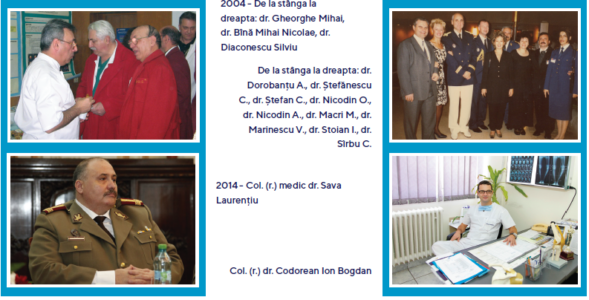
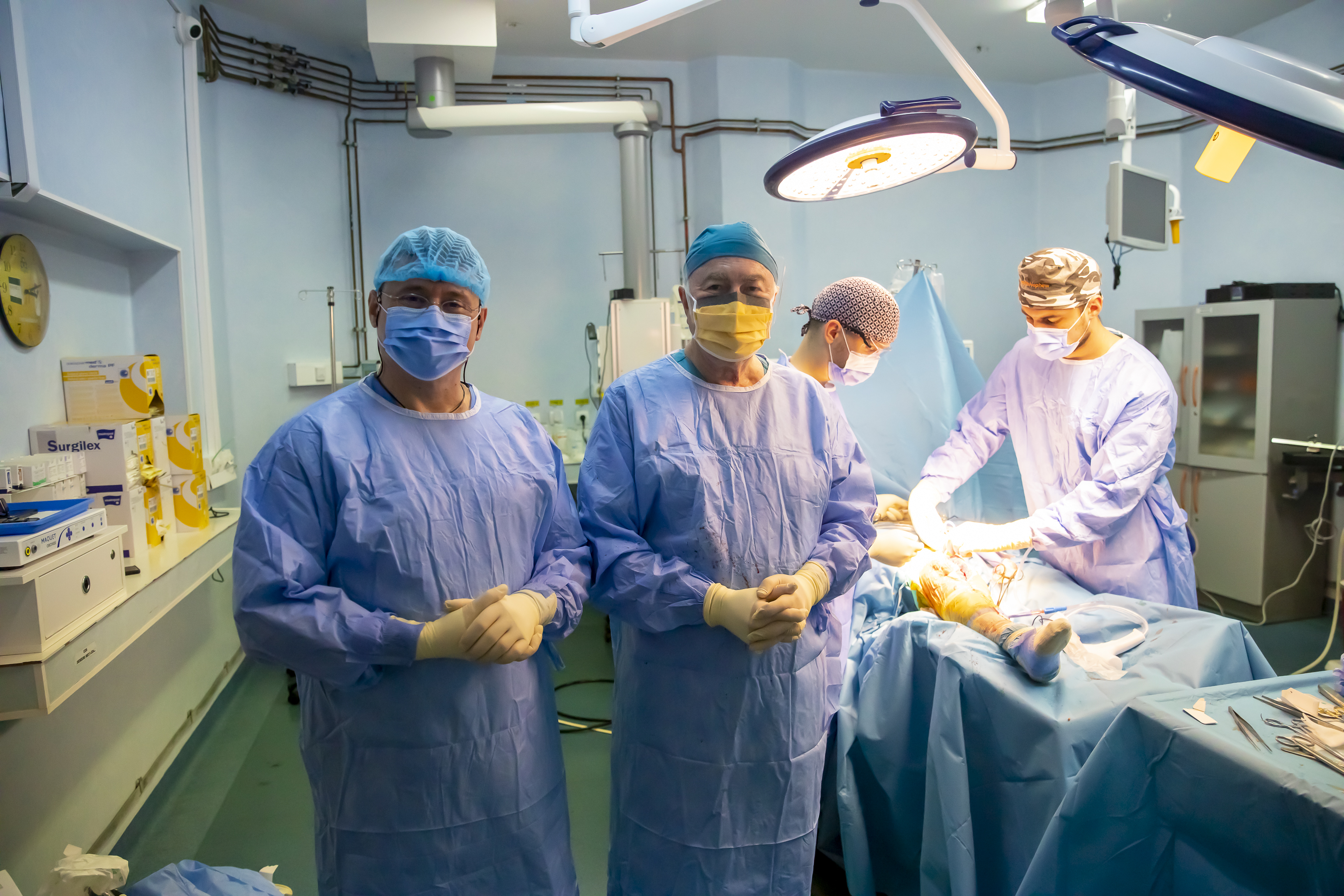
Conf. Dr. Marius Stanescu: At the central entrance of the Orthopedics – Traumatology Department, on the 3rd floor, you will see, in the place of honor, the bust of General Prof. univ. Dr. Gheorghe Niculescu – the one who established, in 1961, this specialized service. Next to this sculptural work, there are 2 plaques on which are engraved: on one the names of all the orthopedic doctors who have served, in uniform, from the beginning until now, and on the other the names of my predecessors. At least for these reasons, the orthopedists who come to the hospital today, do not come to work, they prepare to be the best they can be, with each passing day. The team is relatively young, but with rich experience and, above all, characterized by devotion to the profession and the patient. Performance comes with a personal commitment to self-improvement, and that means continuing professional training programs and intensive study. My teacher and mentor, Professor Firica, said that “a good surgeon is one who is brave if he is supported by study and divinity”.

Innovative Treatments and Success Cases
Enlife News: What are some of the most innovative treatments applied in your department, and can you share with us a successful case that particularly marked you?
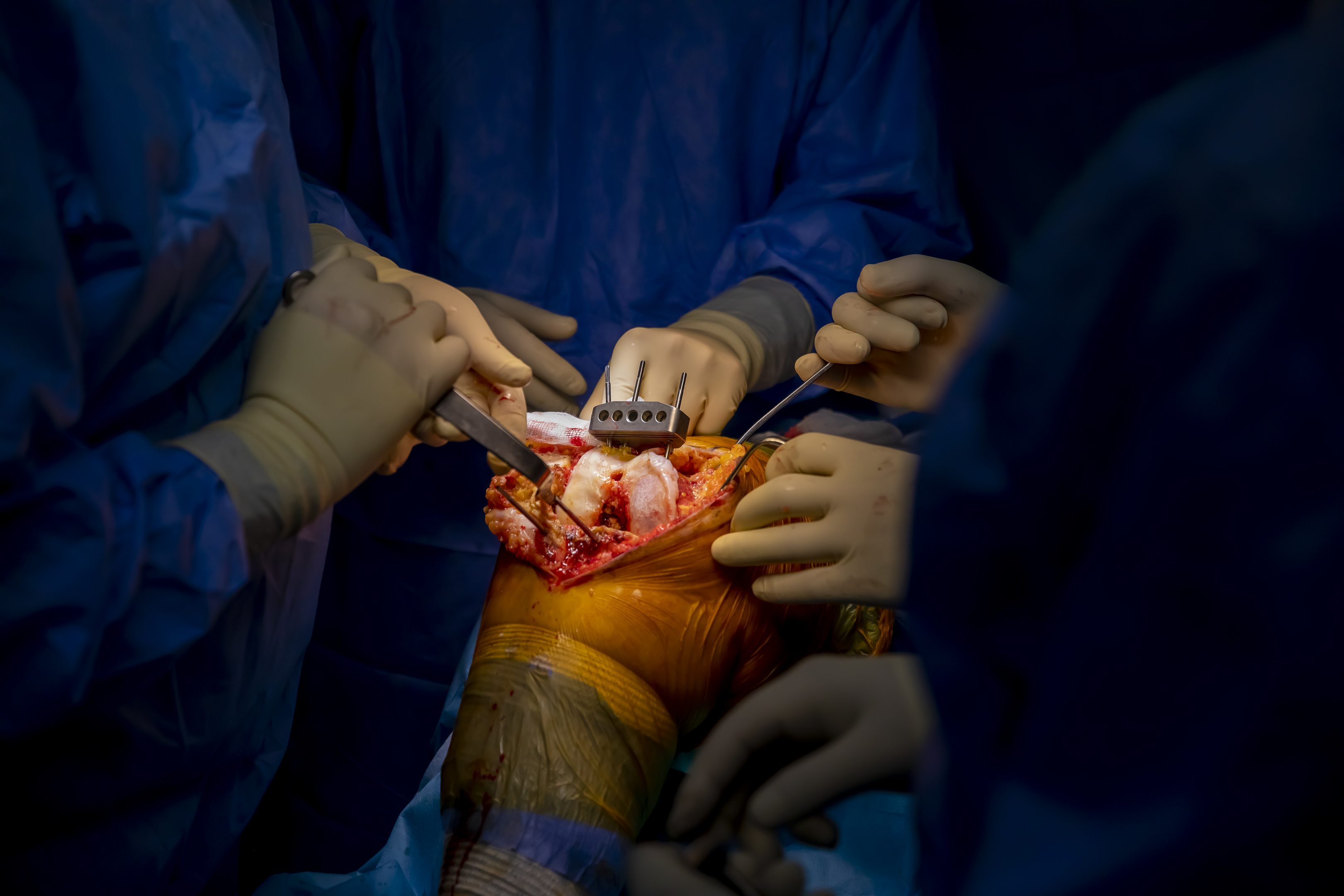
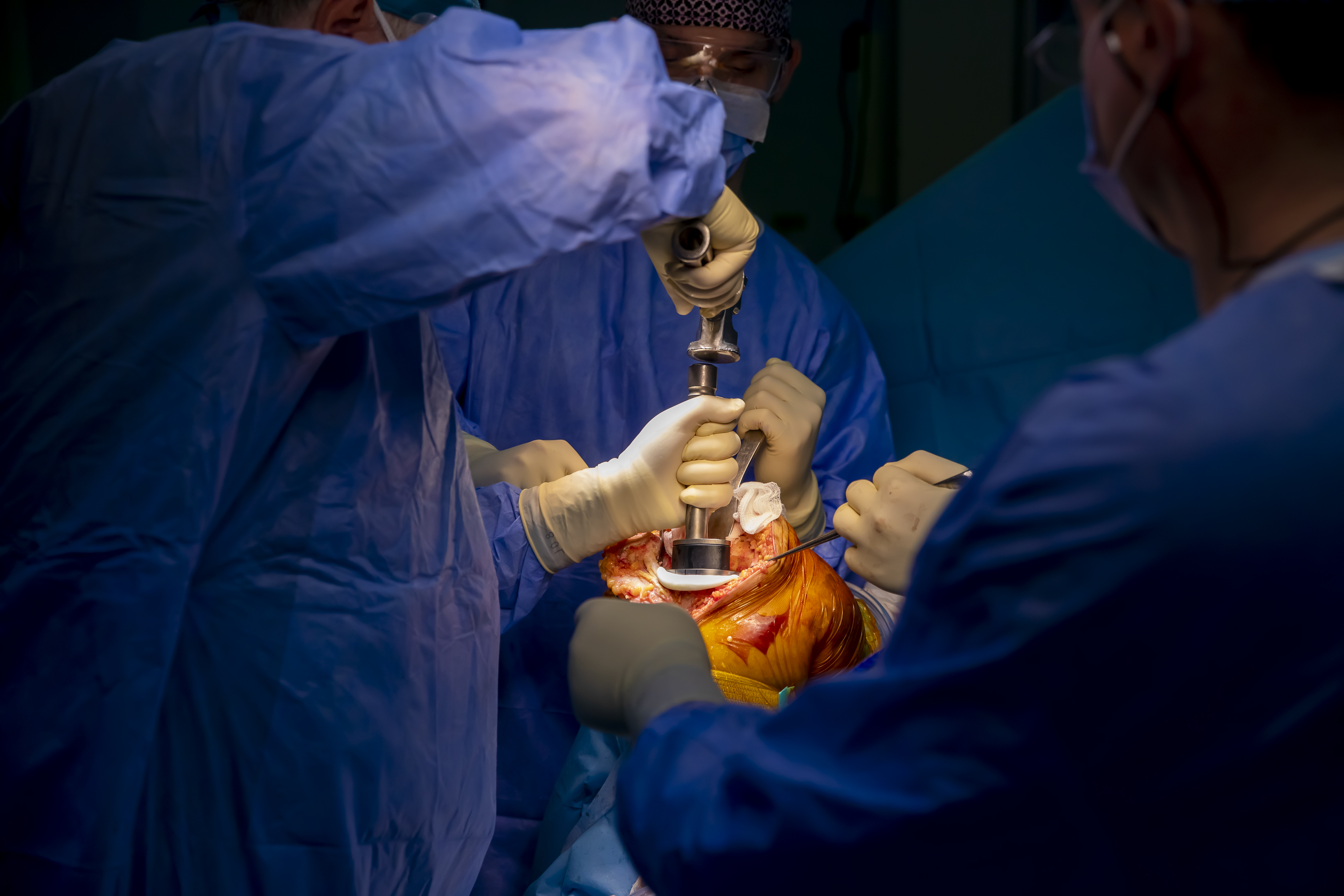
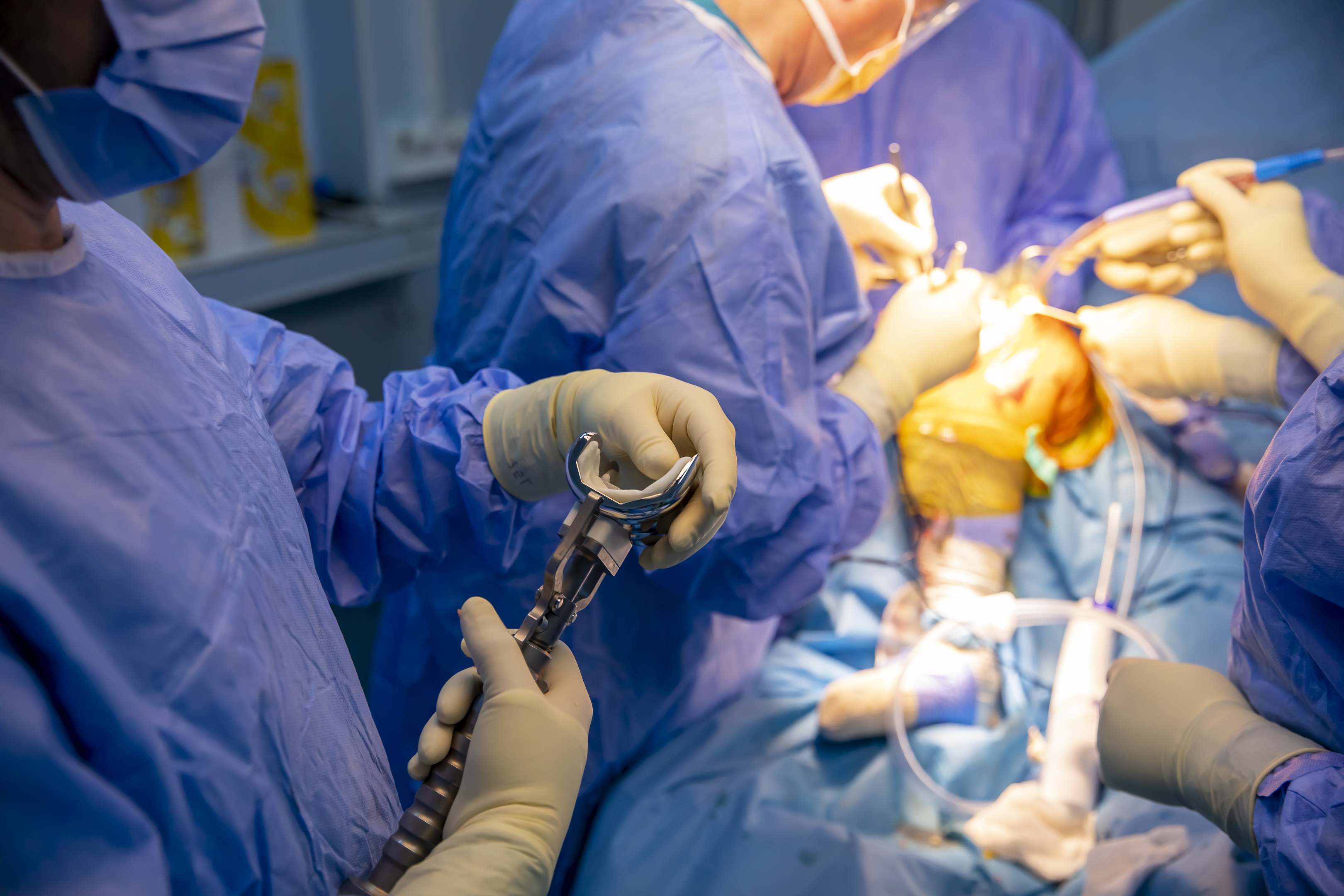
Conf. Dr. Marius Stanescu: Since 1996, together with my mentor, I had the chance to be an active witness to the implementation of innovative techniques and implants. Navigation in its infancy, arthroscopy in its infancy, arthroplasty in its infancy (and I’m not talking about less than 30 years); since then and until today we try to keep up with the increasingly alert pace of innovations in the field of orthopedics. A leitmotif these days is the implantation of endoprostheses assisted by the robot or virtual augmentation.
It is a “festival” of the promotion of new technologies – robotics by all the big players in the field of hip, knee and shoulder arthroplasty. The premises are favorable for the implementation of these techniques and complement what we, today, in the Central Military Hospital do at a level comparable to important centers in the country and abroad. Given this topic, I can say that the “results” of our surgical interventions (orthopedic or traumatological) walk the street, drive, do sports, practice their jobs, continue their family life. For each of our patients, our success is personal success, more important than anything we think matters. That is why, when we are tempted to call one of the cases “special”, every patient is “special”, and we enjoy his joy, that the treatment was curative.

Contributions to the Medical Community
Enlife News: How does the department you lead contribute to the development of the Romanian and international medical community? Do you do workshops, specialized trainings with resident and specialist doctors, participate in congresses?
Conf. Dr. Marius Stanescu: At the end of each year, any medical professional makes a plan, a projection of professional training activities for the following year. A constant are the congresses and conferences of national profile societies (SOROT, SRATS, ROMSOS) or international ones; each of us is affiliated/member of professional entities very applied/dedicated to those superspecializations we were talking about earlier (EHS, EKS, AO, WAC, ESSKA, AOLF, EFORT, ISAKOS, SICOT and many others). Without these “up-dates” we would not be able to exist in the current medical life. We live in a “universal village” and it is necessary to connect with our colleagues, to think and practice a “universal” medicine; that is why, every few years, “International Consensus for Diagnostic and Treatment Protocols” specific to certain pathologies are organized. This is how we “standardize” our information and the conclusions are guides until the next “Consensus”.
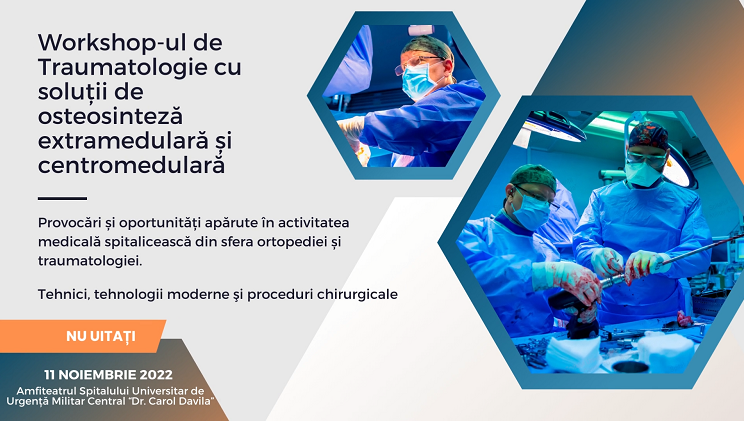
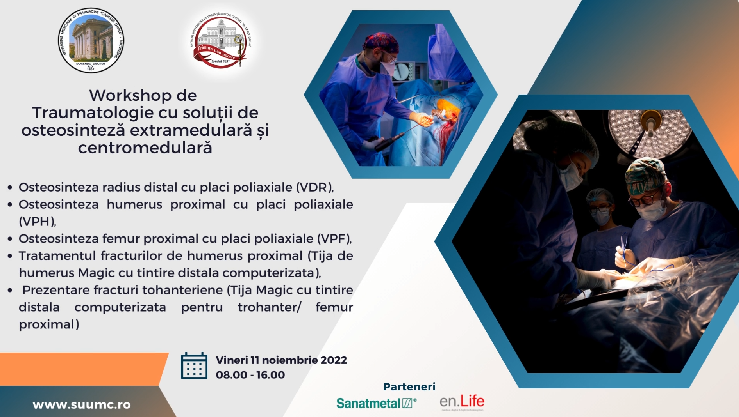
Depending on the professional interest in a certain pathology and its treatment, we participate in workshops organized in collaboration with those who provide the technique and who can offer us technical treatment solutions. We have been and will continue to be organizers of such specialized trainings, workshops, “hands-on” courses. For the first time, a course on endoprosthesis and arthroscopy of the knee, on human specimens, was organized in Romania in April 2024, where two of our department’s doctors were lecturers. So, we train ourselves, we train them, and together we treat our patients with responsibility and application.
Military and Civilian Health
Enlife News: How do you balance the needs of military patients with those of civilians, between chronic and traumatic conditions considering the specifics of the Central Military Hospital?
Conf. Dr. Marius Stanescu: Let’s add, therefore, the specificity of the activity in a military hospital. The complexity of the previously mentioned activities was permanently intertwined with the specifics of a military emergency hospital. It should be stated that, from the point of view of the human, logistical and technical infrastructure, we have been supporting, since 2011, the activity of the Multidisciplinary Medical Assistance Center for the Wounded Military in the Theaters of Operations, a specialized medical compartment that addresses the army personnel participating in the actions military personnel with high risk potential in the country and abroad, personnel who have acquired physical or mental ailments, veterans.
It should be pointed out that, since the establishment of the Section until now, special attention has been paid to military personnel and their families, including wounded soldiers in theaters of operations who were given support in treatment and in the coordination of therapies initiated in other military hospitals outside the territory of Romania.
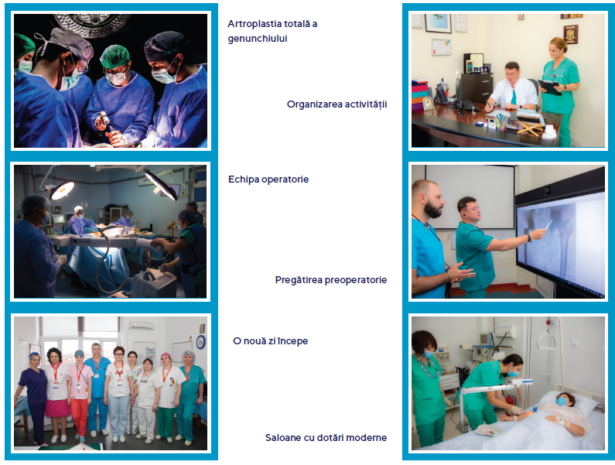
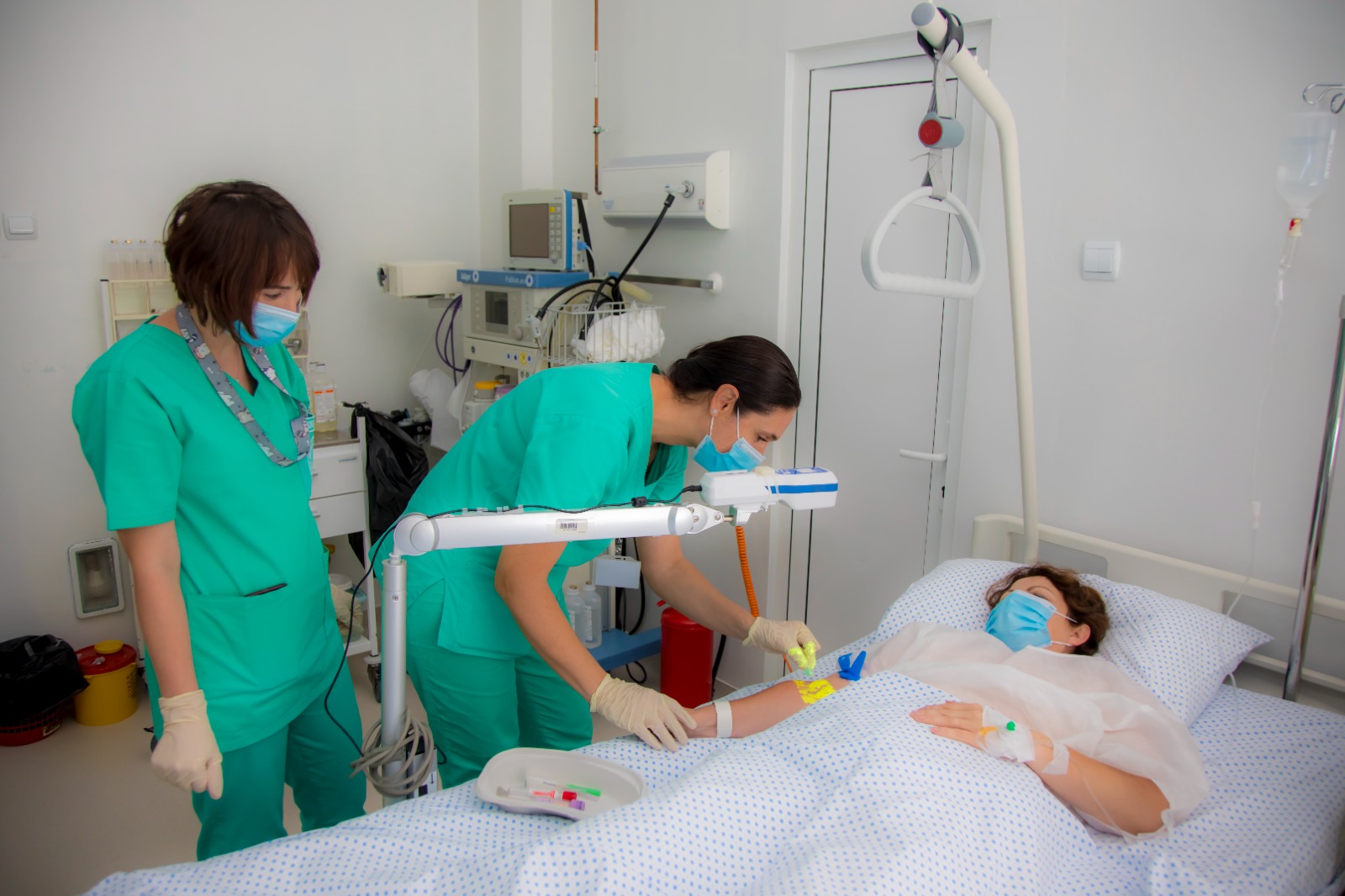
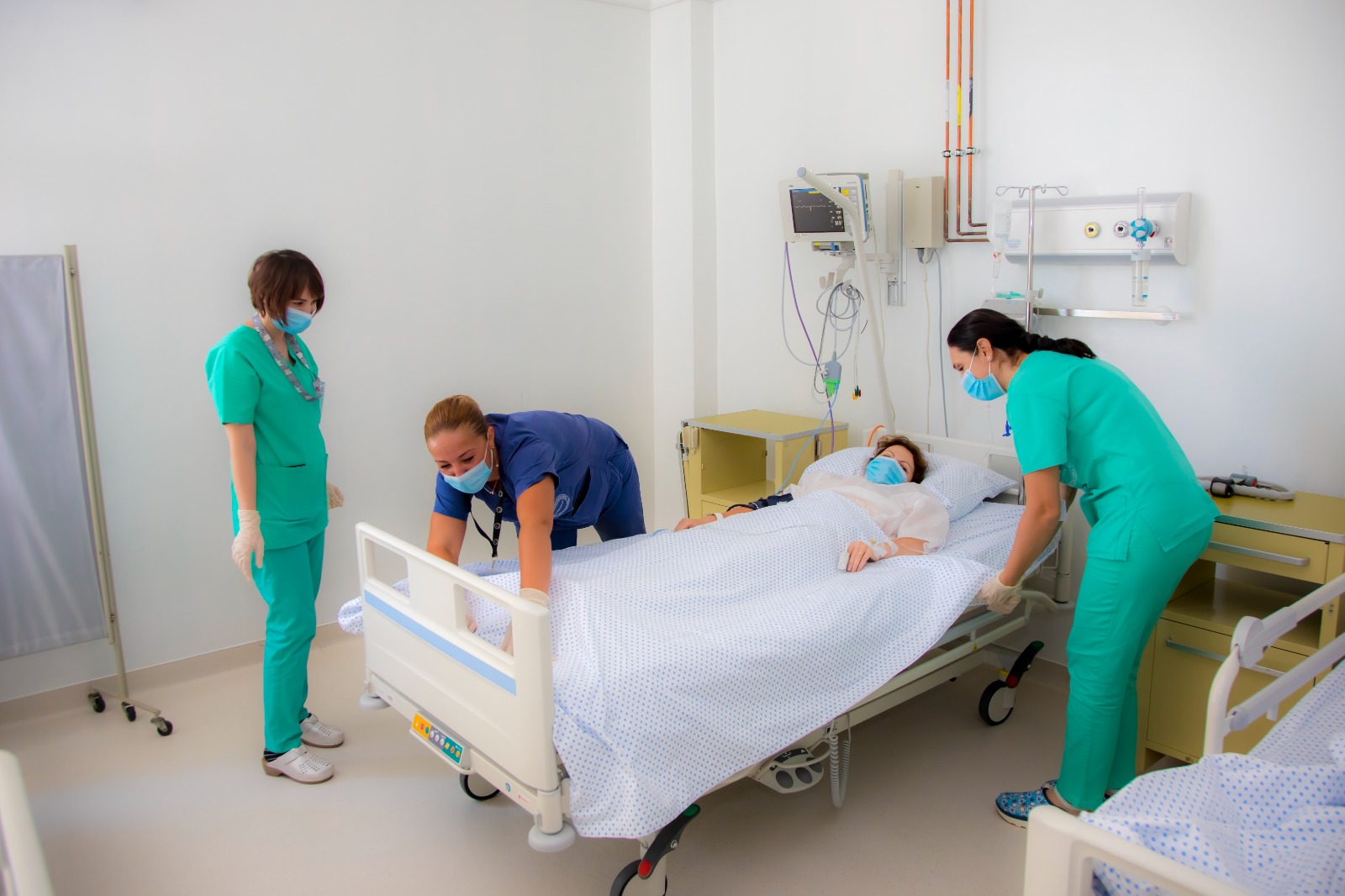
Currently, the quality standard of the medical activity carried out in the Department of Orthopedics and Traumatology places us as a performance clinic within the orthopedic world in Romania, and not only, having an addressability throughout the country, being able to treat both patients from the MApN network, as well as civilian patients. This hospital and, implicitly, this department has its doors open to all insured persons in the health system, just as they are open for any emergency, regardless of insured status or not. Yes, we are “equal for all equals”, military or civilian because all military have families, because the disease does not “discriminate” according to insurance, status, sex, religion or any other criteria. In order to fulfill the purpose of treating chronic conditions or emergencies, we all prepare daily, as if on a front, constantly alert.
Impact of the Pandemic
Enlife News: How has the COVID-19 pandemic affected the activity of the Orthopedics and Traumatology department and what measures have you taken to ensure the continuity of quality care?
Conf. Dr. Marius Stanescu: The pandemic was a shock to world health, and the restrictive measures led us to design an “algorithm for the admission and treatment of orthopedic and traumatological conditions” that aimed at criteria of severity, necessity, support and follow-up. The most widowed were the degenerative type cases, which endured temporary and elective treatment. All emergencies received admission approval and were treated under the conditions of epidemiological security, quickly ensuring the continuity of medical services.
But, since that shock, today we are experiencing a “shock wave” that includes both pre-existing cases, diagnosed with advanced degrees of arthrosis and which have evolved into symptomatic and functional decompensation, but (!) also includes the side effects of hypoxia within the Covid disease -19 and/or cortisone treatments. Aseptic bone necroses have seen a recrudescence, and many of them lend themselves today to orthopedic-surgical treatment, as a challenge for the treatment of such conditions.
Development Plans and Vision
Enlife News: What are your development plans for the department of Orthopedics and Traumatology in the coming years and what changes would you like to implement?
Conf. Dr. Marius Stanescu: I like to think that the future is not only the result of my vision, but of the team, because the Orthopedics Department is a living organism, meant to evolve, at the pace in which the entire Central Military Hospital has an evolution to admire. I kept repeating throughout our discussion about overspecialization. I hope that we will be able to form teams of doctors dedicated to the high-quality treatment of the most specific pathologies, in parallel with maintaining general training in the specialty, especially since the activity of “operational medicine” is a “must-have” ” in a military hospital of our hospital category.



Message for Patients
Enlife News: What message would you have for patients experiencing conditions treated on your ward, particularly those who may be reluctant to seek treatment?
Conf. Dr. Marius Stanescu: Perhaps the pandemic also created this anguish, the “reluctance to seek treatment”. It is also fed (falsely, I would say) the “hospitals” mess. Let’s be clear: in the hospital, we all strive with all our skill to treat patients and take all measures – humanly possible – for healing and then social reintegration of patients. Any maneuver, technique, medication, surgical treatment is carried out promptly and in complete safety, after thorough preparation. Medicine is not mathematics, but in the “1+1” Central Military Hospital, I still do 2!

Recognition and Merit
Enlife News: How would you describe the contribution of the Central Military Hospital and the department of Orthopedics and Traumatology to the health system in Romania, and how do you see the recognition of this effort at the national and international level?
Conf. Dr. Marius Stanescu: I don’t know what the future holds, but we are preparing for the future.
We are connected to domestic and international medical life. At this moment, the Department of Orthopedics and Traumatology exists on the “map” of Romanian medicine at a level that I want to raise and, strengthening the touch of military medicine in the country and in the region, I hope you understand why I left available places on the engraved plate with the names of the military doctors from the Orthopedics – Traumatology section of the Central Military Hospital.

Enlife News: Thank you very much for all the information, kindness, time and interview given above!
Source
Facebook Spitalul Universitar de Urgenta Militar Central “Dr. Carol Davila”


