


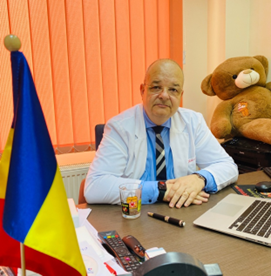
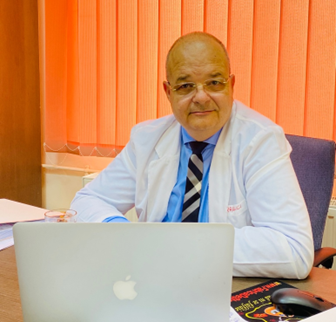
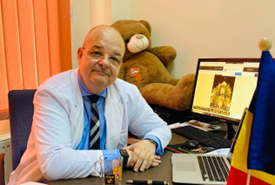
An original enLife News interview, together with Prof. Dr. Alexandru Ulici, Manager of the Emergency Hospital for Children “Grigore Alexandrescu” in Bucharest on the occasion of the 2023-2024 Winter Holidays.
EnLife News: Mr. Professor Ulici, what do you think about advertising in medicine?
Prof Dr. Al. Ulici: Advertising in the sphere of medical services and products is extremely dangerous in conditions of insufficient education of patients and the general public. We ask ourselves the question: “If in medicine and in Pediatric Orthopedics, there is room for Advertising or “advertising space”, the answer is yes, but it presents several undertones and edges simultaneously, and we try to explain a little in the following.
Lately we have been invaded by advertisements for all kinds of doctors (plastic surgeons, dentists, doctors from many medical specialties) that communicate about them as professionals but also about clinics or hospitals (brands, chains of medical clinics, etc. ) that brings together teams of doctors from various specializations and proposes treatments and solutions to patients’ suffering. Communication is about individuals, medical businesses or these together as a package, to maximize the value of the proposed brand.
In reality, the advertisement of a medical service or product may be misleading or may present the achievement of spectacular healing results, to a too wide or too diffuse audience, when in reality, a treatment, a product or a doctor may offer the same treatment prescription for patients, but they can have extremely different results in the end, because the anatomy or responsiveness of the patients” is totally different or rather extremely varied. We were wondering, who uses or rather abuses “medical” advertising? Doctors at the beginning of their careers, medical startups, private clinics and hospitals, unknown or developing medical businesses, already established brands that are only strengthening their position in the market? Who wants efficiency or productivity through advertising?
EnLife News: Ultimately a medical clinic or a private hospital is either a start-up or a functioning business and is governed by the competitive laws of the market in which it operates. They must make a profit, pay employees and taxes, to the Romanian State (we are not commenting here on how the State supports this type of entrepreneurs, nor what is the situation of the Public vs. Private Medical System in Romania), and in order to function optimally, they need marketing , market analysis and even commercial advertising through various indoor, outdoor, Social Media channels, which are often expensive.
Prof Dr. Al. Ulici: There is a risk of promoting services that may or may not be covered by professionalism, and the patient is trapped in a waiting list generated by this “Advertisement”. Many times behind these businesses are young doctors who “have no more patience” to wait for success and for many, success, as for the whole young generation, means having a lot of money and quickly, with a minimum of sacrifices or effort and with investments in the most varied communication mixes.
Advertisement of the person, doctor, surgeon, etc. , creates a set of expectations for the environment that sometimes they cannot meet and the whole situation returns like a boomerang, tenuous, negative, because the image, the brand, the person, the doctor can no longer keep up with the market, satisfy long-term needs of patients, there will initially be a huge wave of requests, a huge waiting list and a string of unpleasant situations or mediocre solved cases that will be “tacitly” taken over by other guild colleagues after a while. The attitude of colleagues is very interesting and diverse, how among themselves, some comment: “who made you?” X? ah…..what a mistake, I have to fix it now..” or “yes it’s ok but I have another perspective” or simply in a tacit complicity, things go on by themselves “further” because they at one point they did something similar.
EnLife News: Professor, do you have some recommendations for the new generation of doctors and patients alike?
Prof Dr. Al. Ulici: Without pretending to be a court that they must follow, but more through the prism of personal experience, I have some recommendations for young doctors:
- To avoid promoting skills they don’t yet have.
- To avoid overcrowding with patients, which at some point becomes the main cause of malpractice processes.
- To avoid treating the medical act according to the same rules as those of a commercial transaction, even if behind it is the efficiency of a classic business, which operates according to competitive rules in a market with many competitive players. The medical act is “equal” both in the state and in private.
My recommendations for patients would be the following:
- Like any information, especially those related to pathologies, doctors, treatments, they are validated from at least 3 sources, these being official.
- “The form does not always validate the substance”, which would mean that not every promise, doctor, advertisement of a treatment is what it promises.
- They should not remain captive to an advertisement or “crafted” communication, no matter how attractive it may be, and they can always ask for a 2nd opinion.
- Not all the information found unstructured on the Internet is useful in the particular situation of a small patient and often it panics the parents rather than bringing a simple, pragmatic picture, based on clinical arguments, imaging, etc.
Beyond these small recommendations there are a multitude of paradoxes in medicine. Among them are whole series of patients in whom the “surgery” or treatment was done “by the book” but did not give the expected results and others who were treated as a reactivity of the body and everything worked enigmatically, for the better and recovery of the patient.
EnLife News: Mr. Professor, would you agree to reveal some of your secrets and personal experience to us? If yes, I propose to make a mini-series of topics addressed to Pediatric Orthopedics. Let’s talk about Traumatology.
Traumatology
EnLife News: Mr. Prof. Ulici, for what types of consultations and treatments can parents with their children go to the Orthopedics Department of the “Grigore Alexandrescu” Emergency Hospital?
Prof Dr. Al. Ulici: For everything that means orthopedic or traumatic-orthopedic suffering from 0 to 18 years of age, you can contact the “Grigore Alexandrescu” Children’s Emergency Hospital, which has the necessary equipment to solve most of the conditions in this group. When we talk about traumatology, it is more intense in the warm months of the year, when children are prone to accidents and, contrary to expectations, less often in winter, because, although traumas may be more frequent, their energy is lower. The most common fractures are the supra-condylar (elbow) fractures, by falling from the same level or from a height (wax cherry trees and mulberry trees are the champions in the orchard from which children fall most often), road accidents, bicycle accidents, etc. Then there are the fractures of the forearm, femur, calf, etc.


EnLife News: How are pediatric fractures treated versus adult fractures? Do children need special treatment?
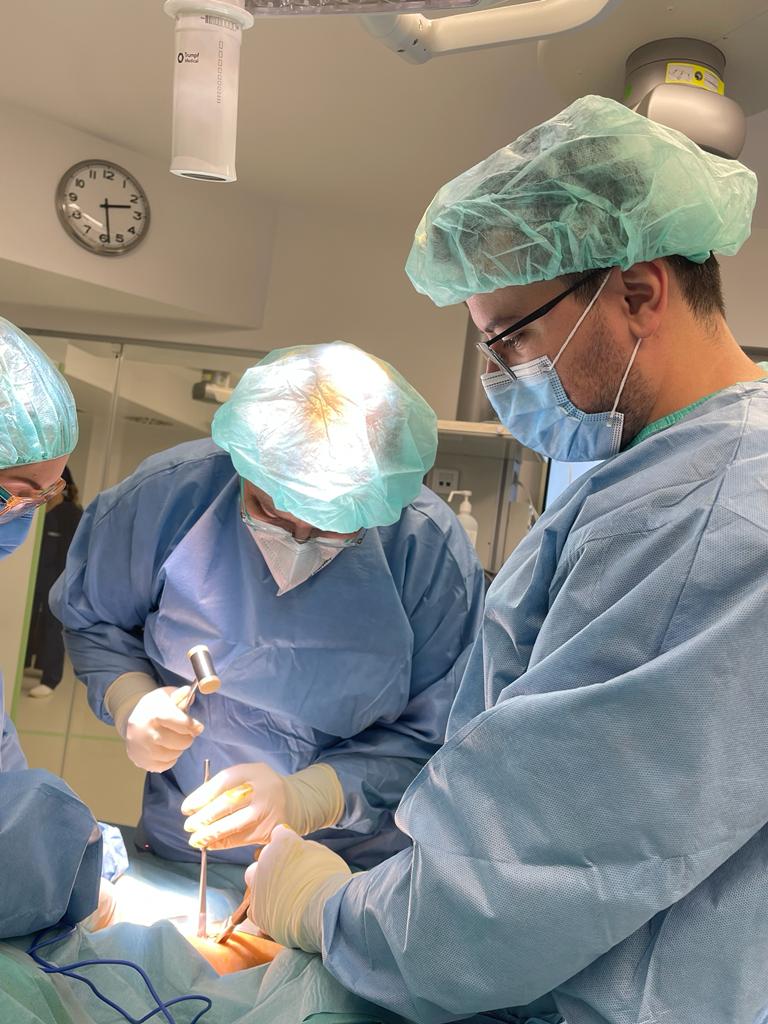
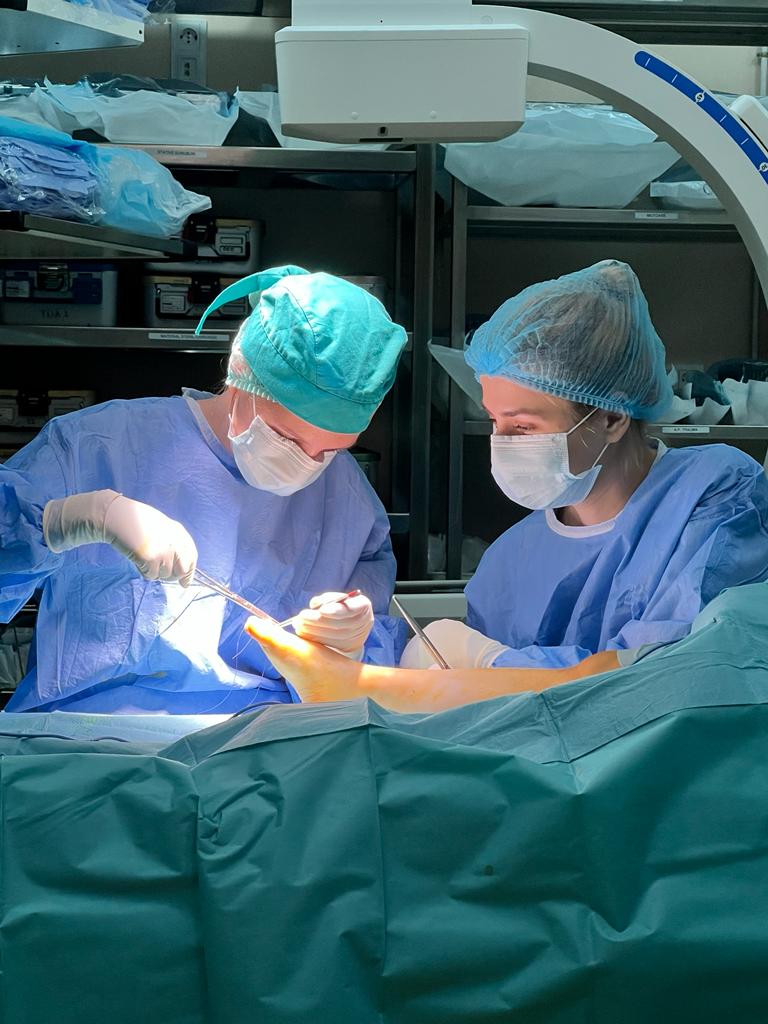
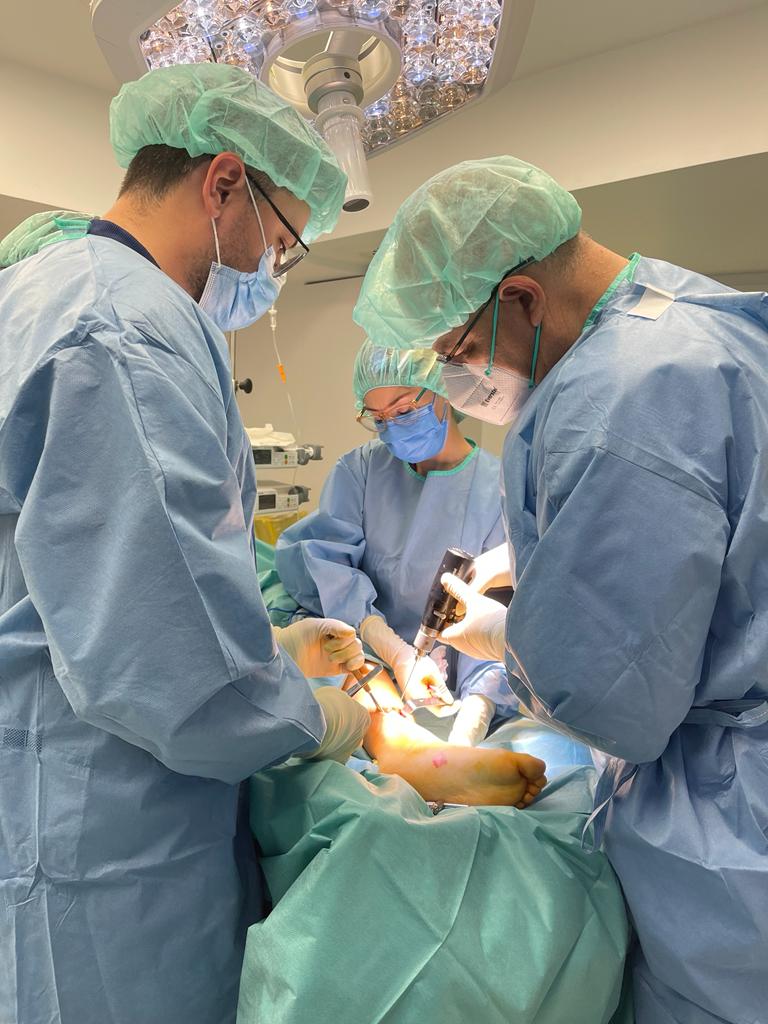
Prof Dr. Al. Ulici: The child is not a miniature adult, as a result there is a whole series of peculiarities: the presence of growth cartilage, the well-represented periosteum, small weight and height, small muscle mass, which explains all the particularities of fractures, especially the particularities related to treatment . For children, whenever possible, we opt for orthopedic treatment and percutaneous fixation (MIS) of the fracture focus compared to adults, where surgical solutions are opted for, including open surgery.
EnLife News: What does Pediatric Traumatology mean and up to what age are the patients who come to you?
Prof Dr. Al. Ulici: Pediatric Traumatology means: sprains, dislocations, fractures of patients aged between 0-18 years.
EnLife News: From which funds are the osteosynthesis materials used in your department provided and if Pediatric Traumatology is properly and sufficiently financed in Romania compared to the actual addressability? Do you have all the necessary materials for the interventions?
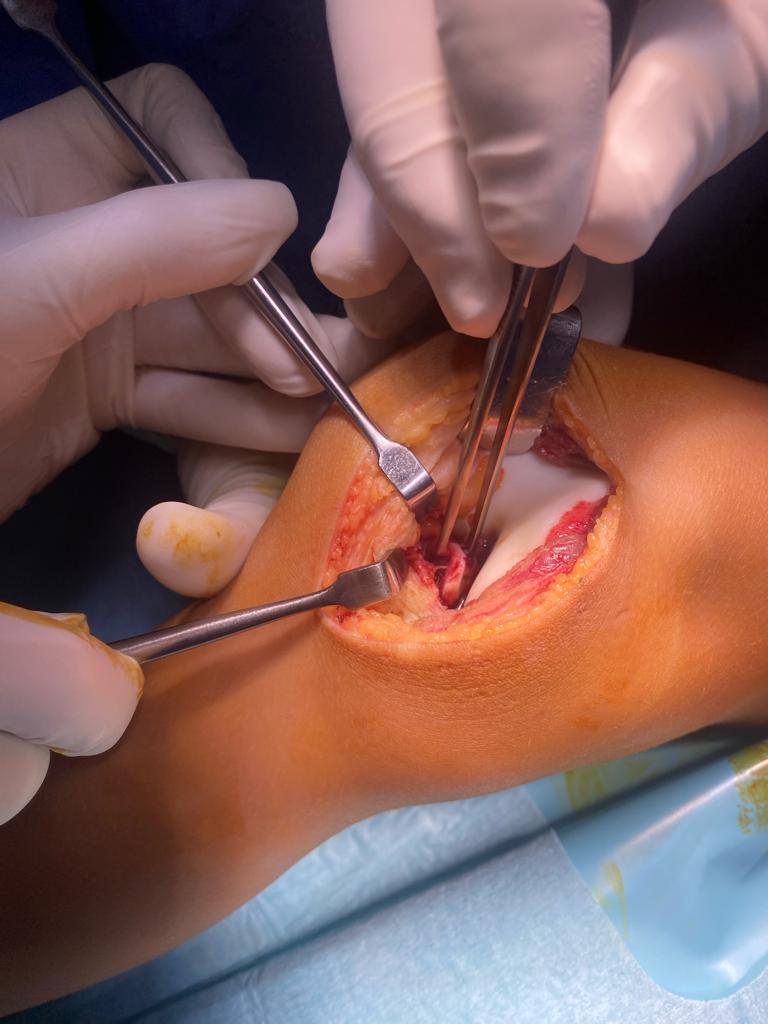
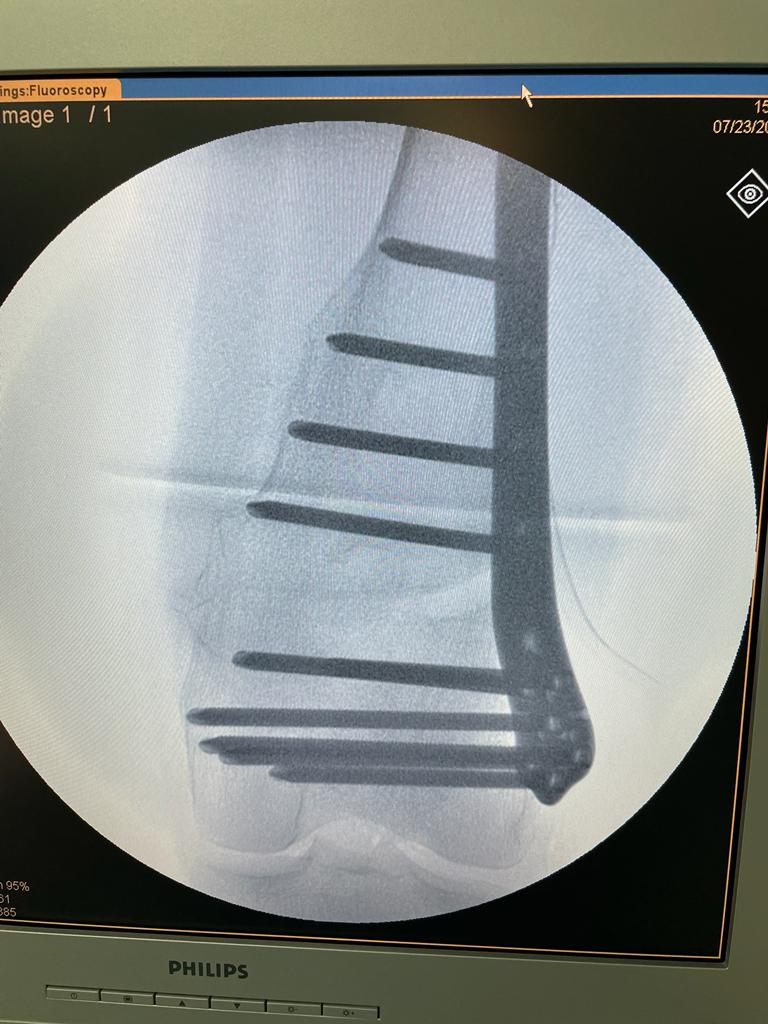
Prof Dr. Al. Ulici:At the moment, the Children’s Emergency Hospital “Grigore Alexandrescu” accesses the National Trauma Priority Action Program (AP-Trauma), which is financed by the Ministry of Health, which fully covers the costs of the osteosynthesis necessary for patients, the amount allocated currently covering approximately all cases who addressed us.
Regarding osteosynthesis materials, we have: Standard osteosynthesis that allows the treatment of most patients (plates and screws from NMR/CT compatible alloys such as those from Titanium alloy (TiAlV4) but we also have the possibility of purchasing and the expertise to use much more sophisticated solutions of osteosynthesis for extreme cases, for poly-trauma situations, special rods, polyaxial plates, bone substitutes, resorbable plates and screws (which avoid re-intervention to remove the osteosynthesis material) and many other high-performance solutions.

EnLife News: Are the department’s doctors educated and according to what standards, to deal with multiple poly-trauma situations?
Prof Dr. Al. Ulici:Most of the doctors in the ward have graduated from EPOS (European Pediatric Orthopedic Society) courses or those organized by AO Trauma both in Romania and abroad. The vast majority are young doctors, but with important operating experience.
EnLife News: Do you manage to create a generation of young trauma specialists in Romania?
Prof Dr. Al. Ulici: We manage to create several generations, we hope, of ultra-qualified orthopedists, who will approach the most different sides of this specialty.
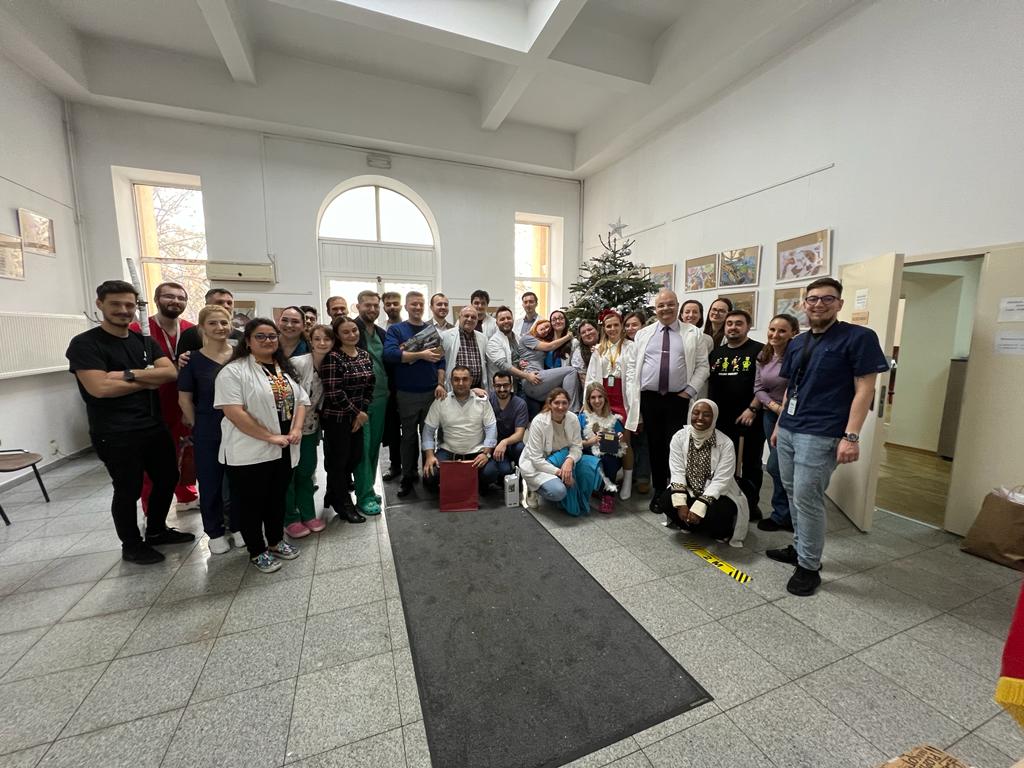
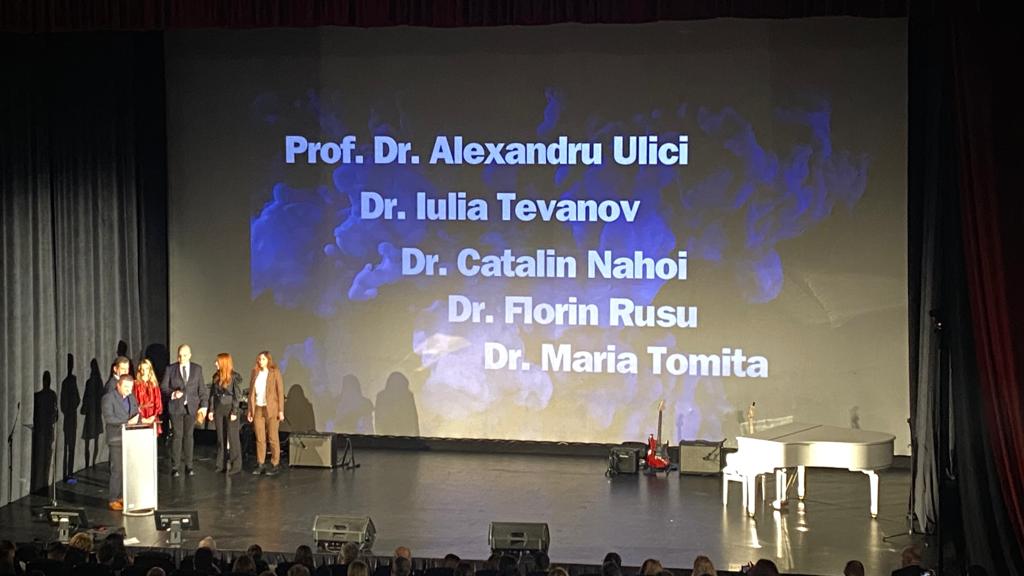
EnLife News: What are the challenges of an Orthopedics Department in Romania on the threshold of 2024: doctors, education, financing, team cohesion or others?
Prof Dr. Al. Ulici: The main challenge is the affirmation of this young specialty separated from “Mare Orthopedics” or Adult Orthopedics.
EnLife News: Do you consider it necessary or correct to communicate for informational purposes about current activity, common or very special interventions carried out in a department like yours in a public hospital?
Prof Dr. Al. Ulici: It is okay to communicate your results even outside of scientific events, in full compliance with medical ethics. It is perfectly justified to communicate about interventions or situations already consumed, with the results of patient follow-up and the results of their treatment, under the auspices of the GDPR.
EnLife News: Do you consider it ethical or useful to “Advertise” through the media of doctors or medical services in a public or private hospital? What are the consequences of fake-news communication?
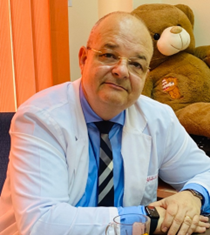
Prof Dr. Al. Ulici: The code of ethics of the medical profession unequivocally stipulates the accepted situations in which a doctor or his institution can advertise, and in no case is this advertisement allowed to be clearly carried out to attract patients, but only to present results . In my opinion, the presentation in various forms of media communication or social media, of young and inexperienced “medical personalities” has no other purpose than to attract patients to service providers who do NOT have the real capacity to offer what they have expressed. Detractors of this opinion may say “even Redbull doesn’t give you wings”, but medicine cannot be tasted like an energy drink and this advertisement can close a desperate person, such as a parent of a small patient, into a “pseudo – the information” he receives from the doctor in full affirmation. The value does not wait for the passing of years and I am convinced of what I am saying, that I do not think that the young generation of doctors, highly capable and highly trained, need to display their knowledge on poles, fences or on TV to demonstrate their valences . Decency must govern us in any medical or paramedical act.
EnLife News: How do you contribute to patient education in general?
Prof Dr. Al. Ulici: It is an extremely delicate subject, we are certainly not doing enough, but first of all, we should ask ourselves the problem: We are now discussing Education as a determining social factor including for health, only that at this moment, in the transition to 2024, almost no one is willing to be taught. The more uneducated you are, you have the feeling that you know everything, you no longer accept advice, you no longer have teachers, you have only one god: Google, Tik-Tok, Facebook or other pseudo-news platforms.
EnLife News: What special experiences in Traumatology do you remember from the last 10-15 years?
Prof Dr. Al. Ulici: One of the most impressive cases was of a child who fell from the 10th floor whose only injury was a cut wound on his forearm, and that was because there were shards of glass where he fell.
EnLife News: Thank you very much for the interview and the time you have given, we hope that I have clarified some aspects for the patients, but also for the resident doctors and specialists from other public or private centers and hospitals, relative to your specialty. We wish you peaceful holidays and as few serious cases as possible that are addressed to the emergency hospital for children “Grigore Alexandrescu” during this period.
Doctor Alexandru Ulici is a Professor of Pediatric Orthopedics at the “Carol Davila” University of Medicine and Pharmacy and the Manager of the Emergency Hospital for Children “Grigore Alexandrescu” in Bucharest( Link>>)


