

Three-year data shows durable efficacy and continued safety across complex lesion subsets
Barcelona, February 2026. iVascular announces the presentation of the 3-year follow-up results from the LUMIFOLLOW registry, a large real-world study evaluating the safety and efficacy of the Luminor Drug-Coated Balloon (DCB) in the treatment of femoropopliteal artery disease. The data was presented by Prof. Eric Ducasse, PI of the study, at LINC 2026 (Leipzig Interventional Course).
LUMIFOLLOW is a multicenter, real-world registry including 542 patients from 15 centers in France. The study reflects routine clinical practice and includes a broad spectrum of lesion complexity. Notably, 43.6% of lesions were classified as TASC C and D, and 24.2% of treated cases were restenotic lesions, underlining the challenging nature of the population evaluated.
At 3 years, we demonstrated thanks to Luminor performance that:
- 87.3% of patients remained free from revascularization, confirming durable treatment effect
- No device-related safety concerns were reported during the follow-up period
These results reinforce Luminor’s differentiation in long-term vessel patency and clinical durability, even in complex and high-risk femoropopliteal lesions.
“In the LUMIFOLLOW study we are able to conclude Luminor’s efficacy and safety in a real-life population,” commented Prof. Eric Ducasse, Principal Investigator. “The study will continue up to the 5-year follow-up, and we are confident that the efficacy will be maintained, as demonstrated in other Luminor studies.”
The 3-year findings add to the established and accumulating evidence base supporting the performance of Luminor in everyday clinical settings, complementing previous clinical evaluations, and further validating its role as a reliable therapy option in different type of peripheral artery disease thanks to the differentiative TransferTech nanotechnology.
About Luminor
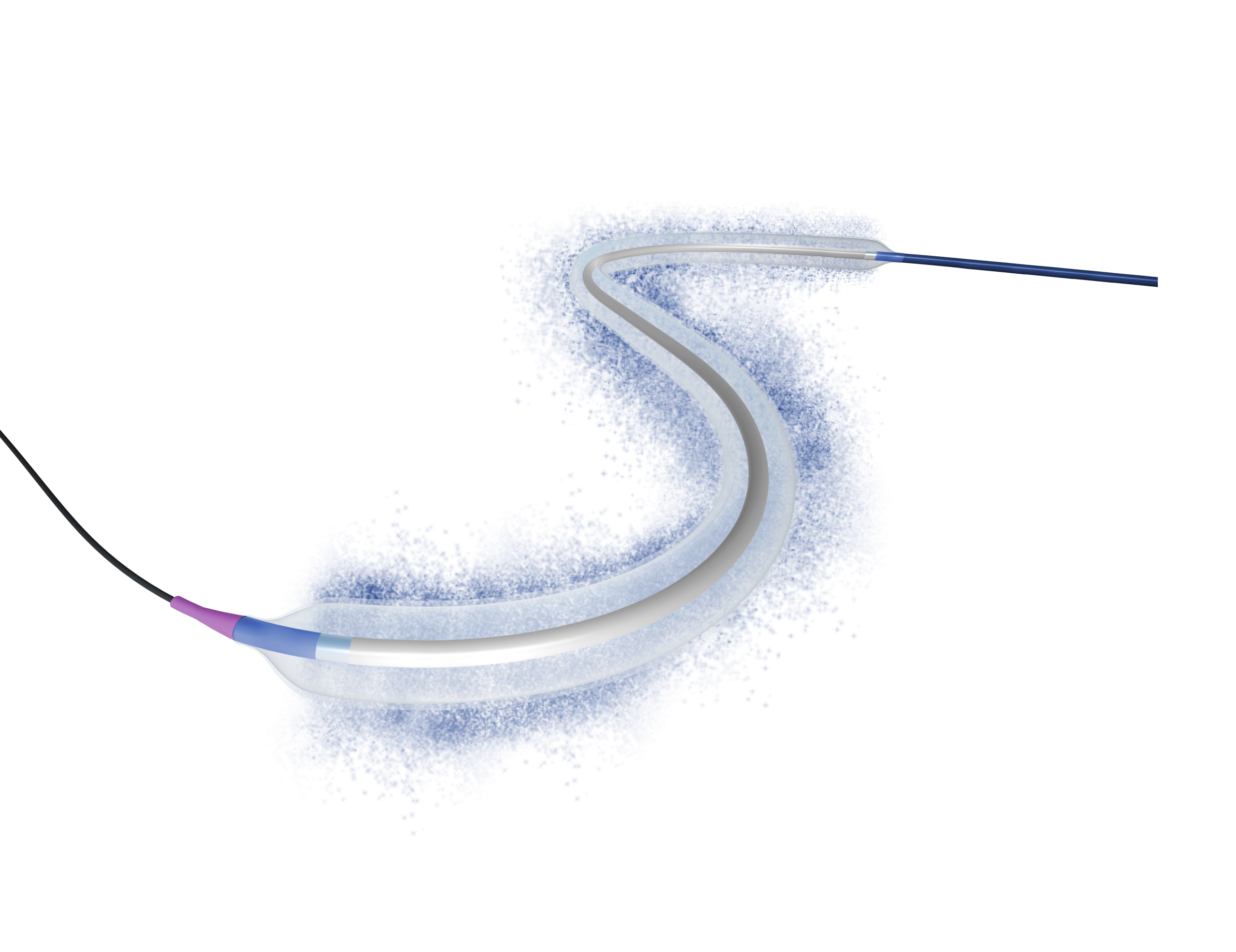
Luminor is a paclitaxel-coated balloon designed for the treatment of peripheral artery disease. Its drug-delivery platform and coating technology aim to ensure efficient drug transfer and durable vessel patency while maintaining a strong safety profile across a wide range of lesion types.


