
 De Enlife Solutions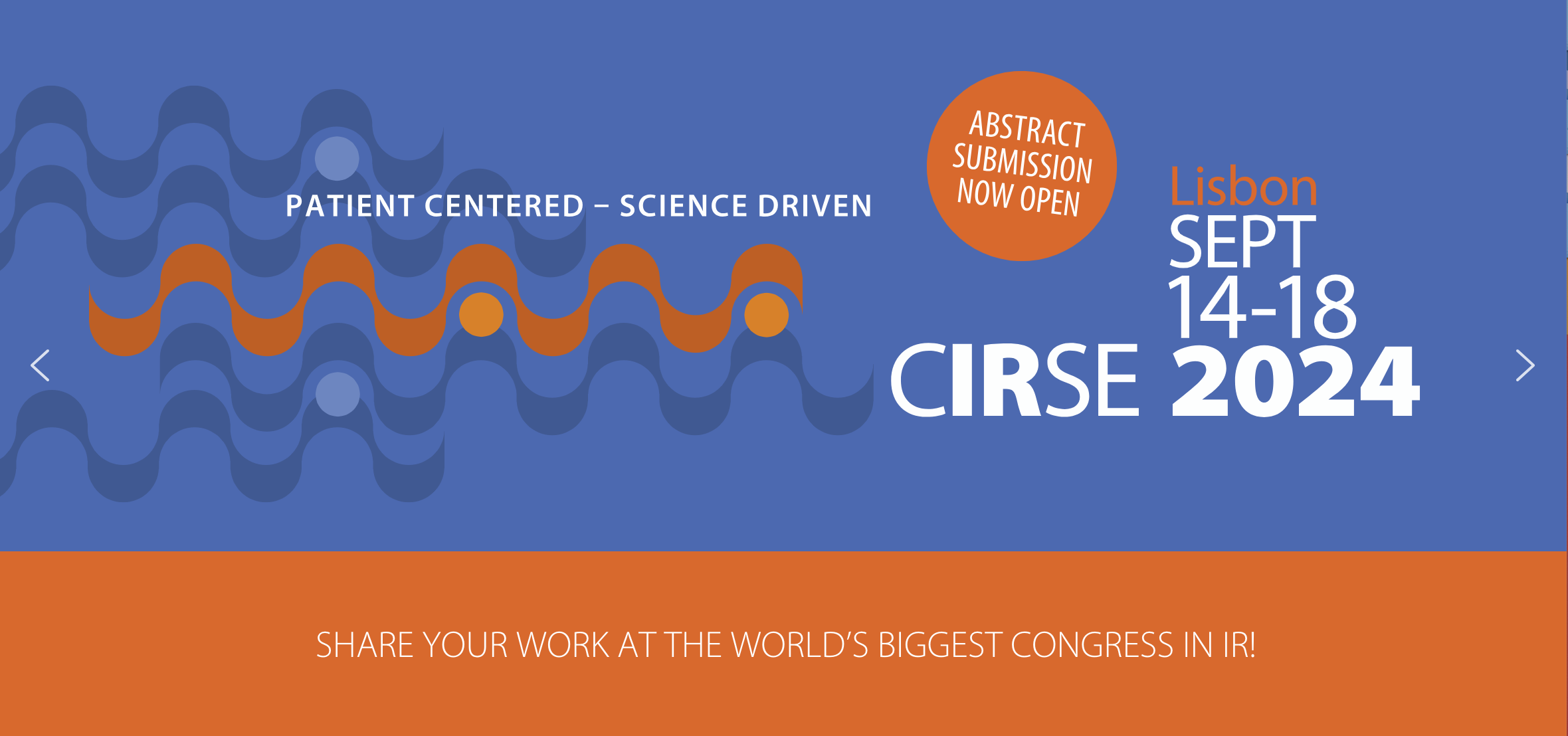
CIRSE &The field of Interventional Radiology (IR) has undergone a remarkable transformation in the past decade, driven by cutting-edge advancements in devices, treatments, and diagnostics.
This evolution has been significantly influenced by the annual CIRSE congress (Cardiovascular & Interventional Radiological Society of Europe), a leading platform for showcasing and discussing the latest IR breakthroughs. Let’s delve into some of the key innovations that have shaped the past 10 years of IR and explore how CIRSE has played a crucial role in this progress.

- Miniaturization: Smaller catheters, guidewires, and other instruments have enabled minimally invasive procedures, reducing patient discomfort and recovery time.
- 3D Printing: Customized implants and devices tailored to individual patient anatomy are improving treatment outcomes.
- Robotics: Robotic-assisted procedures offer enhanced precision and control, particularly for complex interventions.
- Artificial Intelligence (AI): AI algorithms are aiding in image analysis, diagnosis, and treatment planning, leading to more personalized and effective care.
- Image-Guided Therapy: Combining real-time imaging with minimally invasive procedures allows for targeted treatment of various conditions, including vascular diseases, tumors, and uterine fibroids.
- Embolization: Precisely blocking blood vessels using coils or other materials is proving effective for treating tumors, bleeding, and aneurysms.
- Thermal Ablation: Using heat to destroy tumors has emerged as a minimally invasive alternative to surgery for certain cancers.
- Biopsy Techniques: Advancements in needle technology and imaging guidance have enabled more accurate and less invasive biopsies.

- Cone-Beam CT: This technology provides high-resolution 3D images during procedures, guiding interventions with greater accuracy.
- Fusion Imaging: Combining images from different modalities like CT and fluoroscopy offers a more comprehensive view of anatomy and pathology.
- Molecular Imaging: Techniques like PET and SPECT are used to visualize specific biological processes, aiding in diagnosis and treatment planning.
The Role of CIRSE:

For the past 30 years, CIRSE has served as a premier platform for showcasing these advancements. The annual congress brings together leading IR experts from across the globe to share knowledge, present cutting-edge research, and discuss the latest trends. This exchange of ideas fosters collaboration and accelerates the development and adoption of new technologies.
Looking Ahead:
The future of IR promises even more exciting developments. Areas like personalized medicine, gene therapy, and nanotechnology are poised to revolutionize the field. CIRSE will continue to play a pivotal role in driving these advancements by providing a platform for collaboration, education, and innovation.

Conclusion:
The past decade has witnessed remarkable progress in Interventional Radiology, driven by continuous innovation in devices, treatments, and diagnostics. CIRSE has been instrumental in facilitating this progress by fostering collaboration and showcasing cutting-edge technologies. As we look towards the future, IR is poised to play an increasingly important role in providing minimally invasive, personalized, and effective healthcare for patients worldwide.

Medical eConmerce & Consultacy Business
 Alin Ladaru